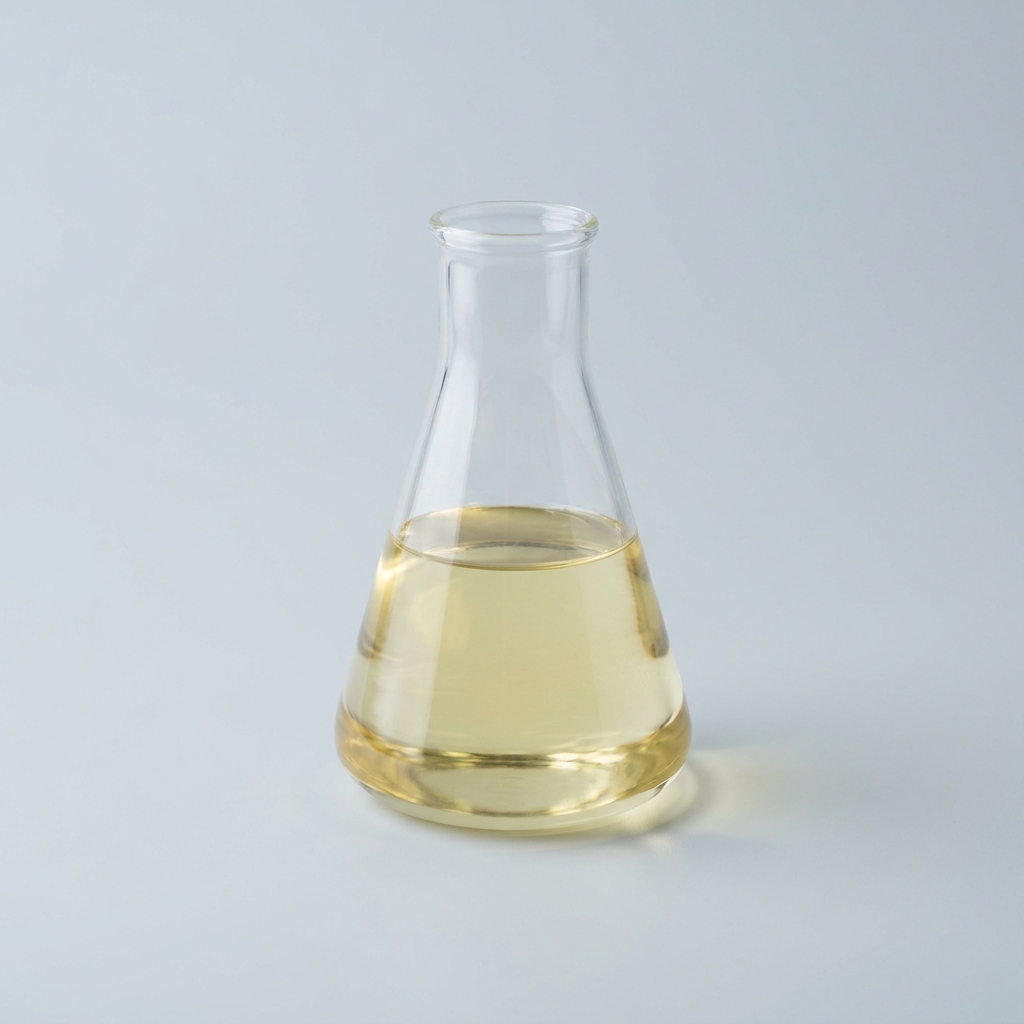
Erlenmeyer flask with pale yellow liquid on a light surface in a clean lab-style setting.

The Beauty & Personal Care Brand Builder Series

Fragrance

Erlenmeyer flask with pale yellow liquid on a light surface in a clean lab-style setting.

The Beauty & Personal Care Brand Builder Series

Fragrance

The Sensory Signature of a Formula

Fragrance — listed as “Fragrance” or “Parfum” on an ingredient label — is the aromatic component of a cosmetic: a carefully composed blend of aroma molecules that gives a product its scent. A single “Fragrance” can contain anywhere from a handful to dozens or even hundreds of individual materials, both naturally derived (essential oils, extracts, isolates) and synthetic (aroma chemicals).

Scent is one of the most powerful drivers of how a product is experienced and remembered, which is why fragrance is among the most common ingredients in personal care. It also carries real safety considerations — which is why it is closely regulated and rated here as FAIR.

Image shows FormuNova Icon in Blue

FAIR

The aromatic component of a cosmetic — a blended scent that defines a product’s smell and sensory experience, used within IFRA safe-use limits and with required allergen declaration.

Used to scent virtually every category of personal care — from creams and lotions to cleansers, body and hair care and treatment products — with fragrance-free options for sensitive skin.

Brands defining a signature scent experience — balanced against IFRA compliance, allergen transparency, and the option of fragrance-free formats for sensitive-skin lines.

Fragrance, Parfum, Perfume, Aroma

Private Label Formulas

🇺🇸 MADE IN USA | 🚀 READY TO LAUNCH

Benefits of Fragrance

The aromatic layer that shapes how a product feels, performs sensorially, and is remembered.

  • Sensory Experience: Defines a product’s scent and elevates the overall ritual of using it.
  • Brand Signature: A distinctive scent becomes part of a brand’s identity and recognition.
  • Odor Masking: Can neutralize or cover the natural smell of raw materials for a cleaner finished product.
  • Perceived Performance: A pleasant scent strongly influences how effective and premium a product feels.
  • Versatile: Available in countless accords — fresh, floral, woody, gourmand — plus low-allergen and fragrance-free options.

Why the Label Usually Just Says “Fragrance”

A finished fragrance is a proprietary formula, often developed by a specialist fragrance house from many individual aroma ingredients. International labeling rules (INCI) allow this complex blend to be declared with the single collective term “Fragrance” (or “Parfum”) to protect that trade-secret composition — much as a signature recipe can be named without publishing every measured ingredient. This is standard and legal across the industry. The key nuance: certain known allergenic components must still be named individually when present above set thresholds (see below), so “Fragrance” is never a way to sidestep a required disclosure.

IFRA and Safe Use Levels

Fragrance safety is governed largely by the IFRA (International Fragrance Association) Standards — a globally recognized, science-based system. Backed by the toxicology research of RIFM (the Research Institute for Fragrance Materials), IFRA sets restrictions, specifications or prohibitions for individual fragrance materials and defines maximum safe concentrations by product type (an “IFRA category” — for example, a leave-on face cream is held to stricter limits than a rinse-off wash). Reputable fragrance houses supply an IFRA Conformity Certificate stating the maximum use level for a given application, and formulators dose the fragrance at or below that level. Used within these limits, fragrance is considered safe for its intended use.

Allergens and Sensitivity

The main reason fragrance rates FAIR rather than higher is its potential to cause skin sensitization or allergy in some people — fragrance is among the more common causes of cosmetic contact allergy. Regulators address this with mandatory allergen labeling: in the EU, a defined list of fragrance allergens (such as Limonene, Linalool, Citronellol and Geraniol) must be named individually on the label when they exceed set thresholds (0.001% in leave-on and 0.01% in rinse-off products), so sensitive consumers can identify and avoid their triggers. Fragrance-free and low-allergen options are widely available for sensitive-skin positioning.

Formulating with Fragrance

Fragrance is typically added at cool-down (aroma molecules are volatile and heat-sensitive), usually at low levels within the supplier’s IFRA maximum. In water-based products it often needs a solubilizer (such as polysorbate 20 or 60) to disperse cleanly. Choose fragrances with a current IFRA certificate and full allergen declaration, keep total use within category limits, and offer a fragrance-free version wherever sensitive-skin claims are desired. Always confirm the finished product’s safety and labeling compliance.

Safety Analysis

Fragrance is safe for its intended use when formulated within IFRA Standards (which set maximum concentrations by product category based on RIFM toxicology) and labeled in compliance with allergen-disclosure rules. Its principal consideration is skin sensitization/allergy in susceptible individuals, which is why known fragrance allergens must be declared individually above regulatory thresholds and why fragrance-free options exist. Source fragrances with a current IFRA Conformity Certificate and full allergen breakdown, keep use levels within category limits, and substantiate the finished product’s safety (e.g. patch / HRIPT testing) and labeling in line with MoCRA and applicable regional requirements.

Ready to scale your next production run?

US-based private label, custom formulation, and contract manufacturing — GMP-certified and built to scale. We help established brands differentiate, reformulate, and secure reliable supply.

Explore product launch options for your brand today.

Trending ingredients, ready to launch

Formulations tailored to your goals

Formulations tailored to your goals

Trending ingredients, ready to launch

Made in USA
Made in USA

Building something with this ingredient? We formulate and manufacture custom products for brands scaling in beauty and personal care. Explore our product development capabilities.

Macro close-up of clear cosmetic serum or essence with visible air bubbles. Ideal for beauty branding, cosmetic ads, skincare ingredient design, or clean and minimal product presentations.