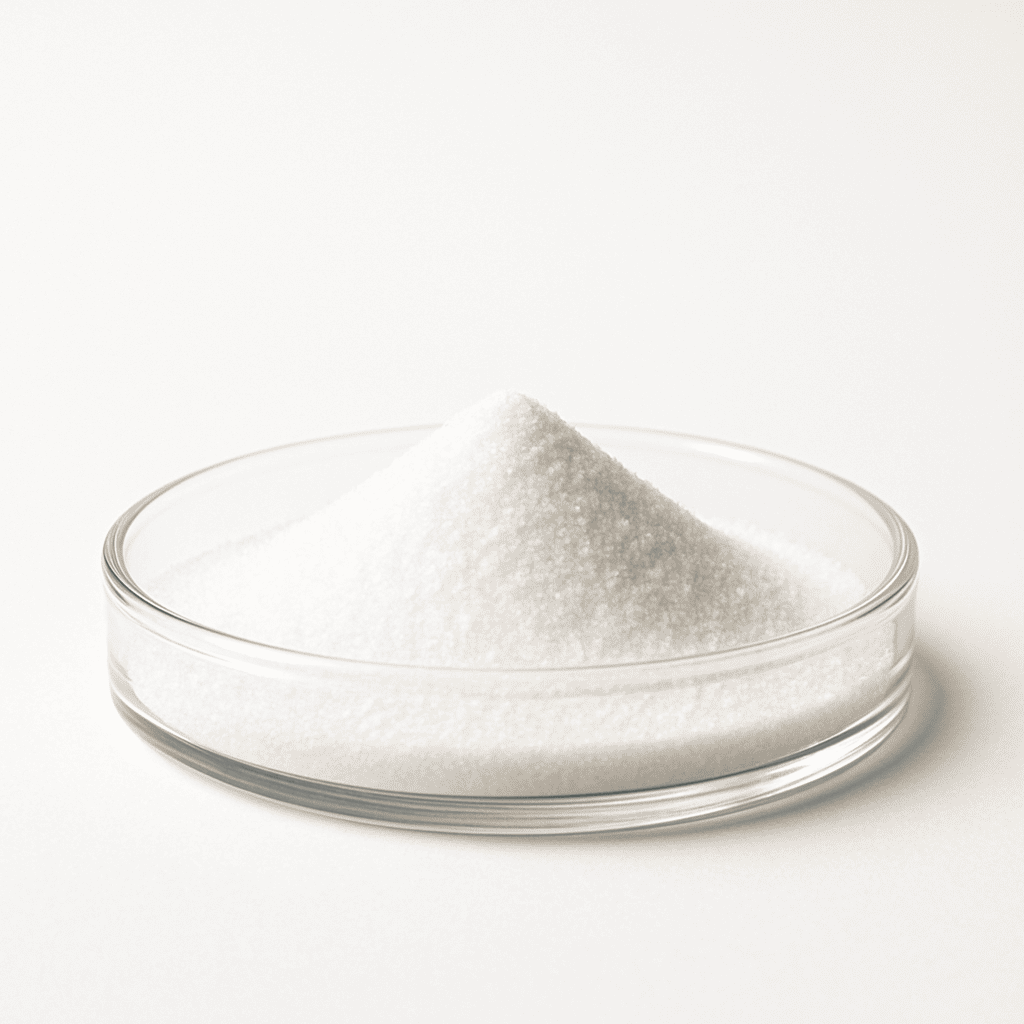
Acrylates/C10‑30 Alkyl Acrylate Crosspolymer is a synthetic, cross-linked acrylic polymer that excels at thickening and stabilizing cosmetic formulations. In skincare, it offers enhanced viscosity and sensory appeal, delivering smooth, spreadable creams, gels, and lotions that maintain consistency and user satisfaction. Its film-forming and emulsion-stabilizing properties support oil-in-water systems — especially useful in spray-on formulations and water-resistant sunscreens — ensuring stability and uniformity while promoting ingredient adhesion and prolonged wear.
In haircare formulations, the crosspolymer again plays a pivotal role in texture enhancement and suspension of oils. It helps create lightweight, non-greasy gels, serums, and conditioners with consistent delivery. By maintaining homogeneity, it safeguards the integrity of cleansing and conditioning agents, ensuring effective application and preventing separation.

Quick Insights
Ingredient Rating:
GOOD
Type of Ingredient:
Texture Enhancer and Emulsifier
Intended Function:
To thicken and stabilize skincare and haircare formulations while imparting a silky, spreadable feel.
Common Applications:
Integrated in creams, lotions, gels, spray-on skin products, sunscreens, hair serums, conditioners, and styling gels to deliver uniform texture and sustained formula stability.
Target Audience:
Formulators and brand owners seeking advanced stabilizing and texture-enhancing ingredients that facilitate consistent, aesthetically pleasing products with robust emulsion integrity.
Safety Analysis
Regulatory and Expert Support: Esteemed authorities including the Cosmetic Ingredient Review (CIR) and other panels affirm the safety of acrylates copolymers — when formulated to avoid irritation and inclusive of minimal residual monomers or catalysts.
EWG Assessment: The EWG rates this ingredient with low irritation risk, low allergenic and reproductive toxicity, though some concerns are noted regarding potential contamination (depending on manufacturing controls).
Tolerance and Usage: Typically used at under 1% in formulations, it’s well tolerated across skin types. It can be incorporated up to 30% concentration, especially in emulsifying or gel-type formulas, without reported side effects in standard use.
Polymerization Solvents: A caveat exists when the ingredient is polymerized in benzene — a concern in early manufacturing — though modern production standards avoid this. Safety conclusions apply only when not polymerized in benzene.
Environmental Considerations: As a petrochemical-derived polymer, sustainability profiles vary by manufacturer. Some operations may not align with eco‑friendly standards, so assessing supplier practices is vital.

References
Ready to launch your next product?
We offer US-based Beauty & Personal care private label, product development and manufacturing, starting with low minimum order quantity.We specialize in helping brands innovate and launch new products that resonate with their audiences.
Explore product launch options for your brand today.


Not Quite Ready To Start?
Signup to our newsletter to receive the latest in cosmetic industry trends, expert advice, formulation tips, and insider-only offers.
Thinking about launching something else? We can create a wide range of custom formulas for your brand. Explore our product development capabilities and ingredients.