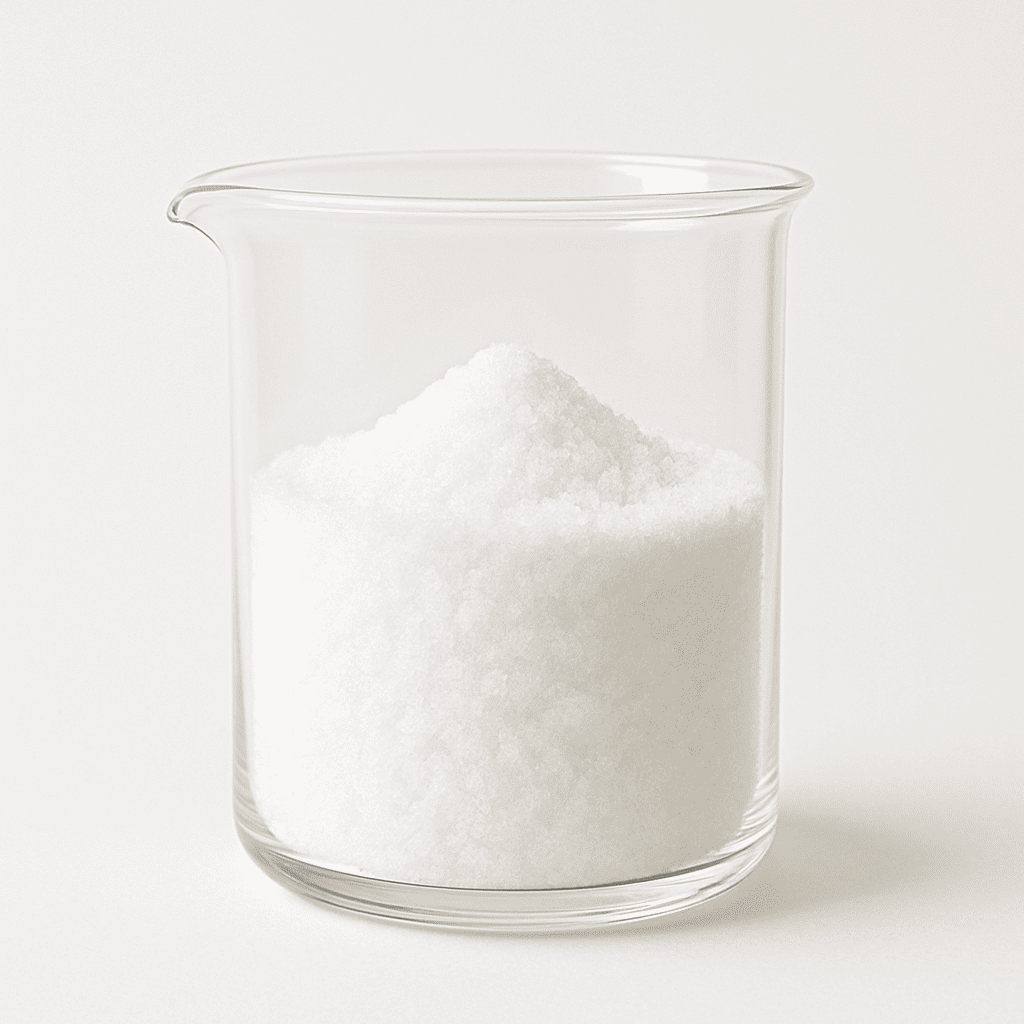
Xylitol is a five-carbon polyol (sugar alcohol) used in cosmetics primarily as a humectant and skin-conditioning agent. Its multiple hydroxyl groups form hydrogen bonds with water, increasing stratum corneum water content and supporting short- and longer-term moisturization. Clinical investigations show formulations containing xylitol improve corneometric hydration and reduce transepidermal water loss (TEWL), likely via enhanced filaggrin expression and natural moisturizing factor (NMF) generation, translating to better barrier function and cutaneous comfort. In leave-on systems (serums, gels, creams) and rinse-off systems (cleansers), xylitol can be positioned as a plant-sourced, biotechnology-enabled humectant with an excellent safety margin and global regulatory acceptance.
In haircare, xylitol is deployed to hydrate the scalp, mitigate dryness-related tightness, and improve fiber feel by modulating water retention at the hair surface during wet and dry states. In shampoos, conditioners, and scalp tonics, it functions synergistically with other polyols (e.g., glycerol) and carbohydrate-based actives (e.g., xylitylglucoside, anhydroxylitol) to improve rinse aesthetics, reduce squeakiness, and maintain suppleness post-dry. Supplier and trade data further support prebiotic/microbiome-support positioning for scalp-care concepts, while typical cosmetic use levels (≈1–10%) provide flexible dose-response for both high-water and anhydrous stick formats.

Quick Insights
Ingredient Rating:
GOOD
Type of Ingredient:
Hydrator, Moisturizer, Soother, Anti-Inflammatory Agent, Microbiome Balance Agent and Barrier Support
Intended Function:
Increase water content in the stratum corneum/scalp and support barrier integrity through humectancy and NMF-linked pathways.
Common Applications:
Moisturizers, hydrating serums, toners/essences, gel creams, sheet masks, gentle cleansers, shampoos, conditioners, leave-in scalp tonics, and solid stick formats.
Target Audience:
Consumers with dry, dehydrated, sensitive, or compromised skin; scalp dryness/tightness; daily-use gentle cleansing and hydration-forward haircare.
Also Known As:
Xylitol, INCI: Xylitol, CAS: 87-99-0, synonyms include xylite and 1,2,3,4,5-pentahydroxypentane (a pentitol).
Safety Analysis
Xylitol is widely recognized as safe in cosmetic use. The Expert Panel for Cosmetic Ingredient Safety (formerly CIR) concluded xylitol is safe in cosmetics under present practices of use and concentration, with reported functions as humectant and skin-conditioning agent. Human clinical work with polyol-containing moisturizers (glycerol + xylitol) demonstrates improvements in hydration and TEWL without sensitization signals at typical exposure, aligning with its low irritation profile. From a formulation standpoint, it is compatible across pH 4–8, does not act as a preservative booster, and shows no known phototoxicity. For labeling and claims, ensure oral-care data are not over-extrapolated to skin; for pet safety, avoid conflating ingestion toxicity in dogs with topical human cosmetic safety. Typical cosmetic inclusion ranges from ~1–10% depending on desired sensorials and hydration kinetics; as always, conduct HRIPT/consumer in-use testing on finished products to verify tolerance in target populations.

Ready to launch your next product?
We offer US-based Beauty & Personal care private label, product development and manufacturing, starting with low minimum order quantity.We specialize in helping brands innovate and launch new products that resonate with their audiences.
Explore product launch options for your brand today.


Not Quite Ready To Start?
Signup to our newsletter to receive the latest in cosmetic industry trends, expert advice, formulation tips, and insider-only offers.
Thinking about launching something else? We can create a wide range of custom formulas for your brand. Explore our product development capabilities and ingredients.