Harnessing Nature’s Moisturizer: Lanolin
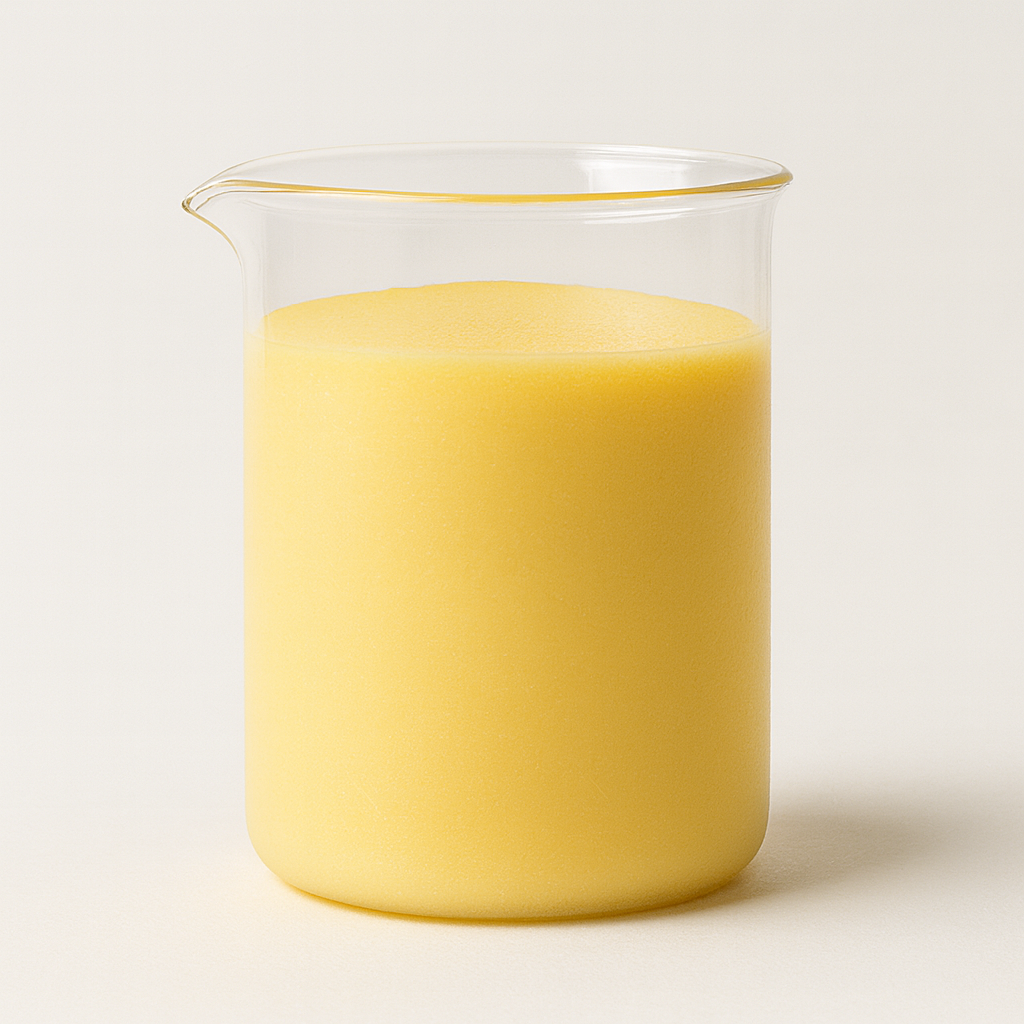
Originating from sheep’s wool, Lanolin has been revered through the ages for its impeccable moisturizing capabilities. This waxy substance, not only hydrates but also acts as a barrier, preventing moisture loss. Its natural affinity with human skin makes it a sought-after ingredient in the world of cosmetics and personal care.

Quick Insights
Ingredient Rating:
GOOD
Type of Ingredient:
Moisturizer, Emollient, Texture Enhancer, Conditioner, Soother, Anti-Inflammatory Agent and Barrier Support
Intended Function:
To lock in hydration, smooth and heal skin and hair, and shield against environmental stressors by reinforcing the lipid barrier.
Common Applications:
Used in lip balms, hand and foot creams, body lotions, wound and nipple ointments, hair masks, leave-in serums, and cuticle treatments.
Target Audience:
Ideal for brands targeting dry, cracked, or mature skin, baby care, breastfeeding products, as well as conditioning lines for dry or frizzy hair.
Also Known As:
Wool wax, Wool fat, Lanolin alcohol, Wool grease.
Lanolin in Skincare & Beauty
Lanolin stands out in skincare primarily due to its unmatched hydrating properties. When applied, it mimics the lipids found in our skin, leading to profound moisture retention. Its adaptability in various formulations, from creams to balms, ensures that the skin receives deep hydration without a greasy aftermath. Moreover, its barrier-forming nature shields the skin from external aggressors, preserving its natural softness and glow.
Lanolin in Haircare
In the domain of haircare, Lanolin offers more than just superficial benefits. Acting as a moisture-locking agent, it ensures that hair remains hydrated, reducing the appearance of split ends and breakage. By forming a protective layer around hair strands, it safeguards against environmental damages, helping maintain hair’s luster and vitality.
Lanolin in Personal Wellness & Household
Beyond traditional cosmetics, Lanolin has carved its niche in personal wellness products. For instance, its protective and moisturizing properties make it a favored ingredient in lip care, ensuring soft and supple lips. In household applications, its conditioning attributes are often harnessed for leather care, providing both protection and sheen.
Safety Analysis
Allergenicity: Dermatologists still recommend patch testing, especially for atopic or sensitive individuals.
Comedogenic potential: Some animal studies suggest high concentrations can promote comedone formation; however, finished products with moderate lanolin levels generally demonstrate non-comedogenic profiles.
Toxicity: Safe topically; ingestion in large amounts may cause gastrointestinal issues. Use caution in lip care if frequent ingestion is expected.
Formulation considerations: Its waxy nature can impart stickiness or shine, so compatibility with silicones or lightweight emollients may improve texture and sensory properties.

References
Add Lanolin To Your Cosmetic Formulation
Work with FormuNova to integrate Lanolin into your product offerings. Together, we can innovate and develop cosmetic solutions that cater to modern needs while drawing from nature’s time-tested ingredients.
Explore product launch options for your brand today.


Not Quite Ready To Start?
Signup to our newsletter to receive the latest in cosmetic industry trends, expert advice, formulation tips, and insider-only offers.