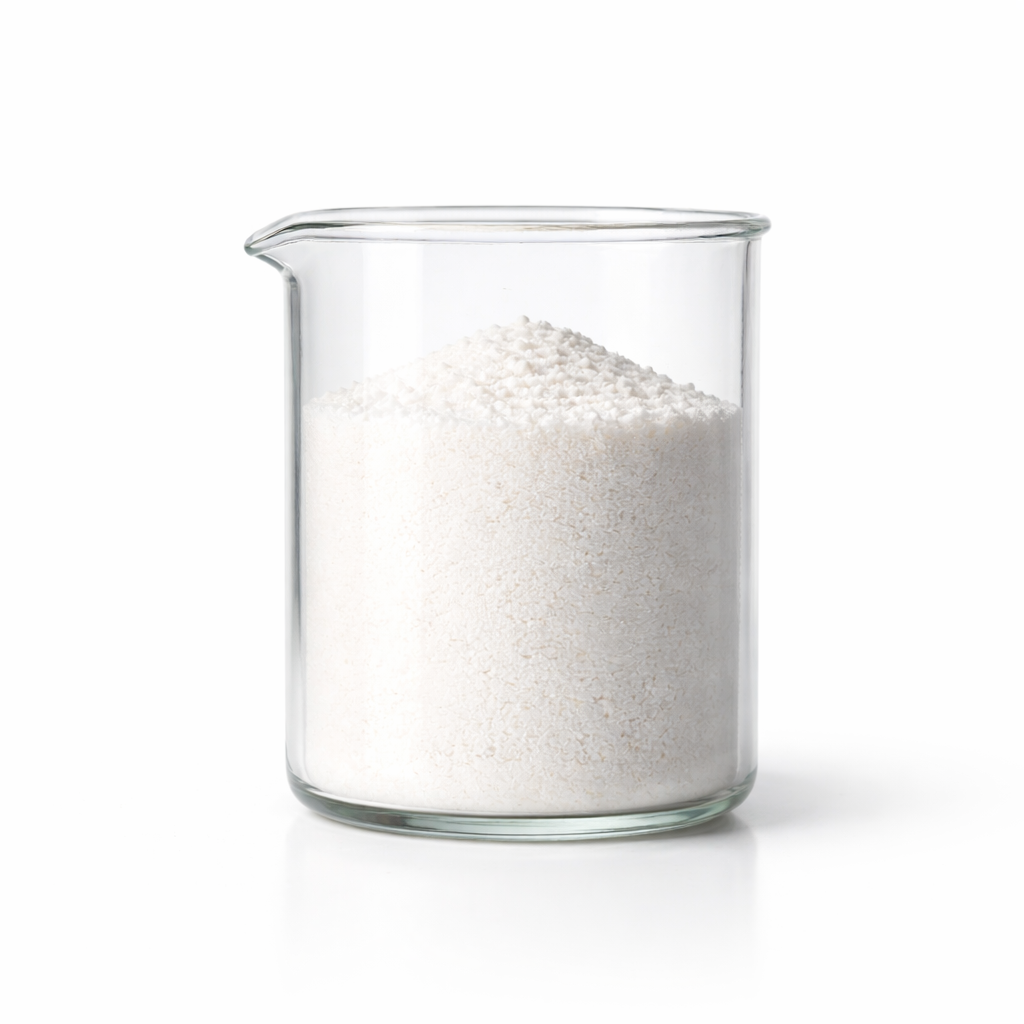
Hydroxyproline is a non-proteinogenic amino acid predominantly found as a structural component of collagen — the most abundant protein in human connective tissues. In the context of skincare formulations, hydroxyproline and its derivatives (such as dipalmitoyl hydroxyproline) are valued for their role in collagen stabilization, fibroblast stimulation, and anti-aging support. Topical applications aim to enhance skin firmness, elasticity, and hydration by promoting collagen synthesis and counteracting the natural degradation processes that occur with chronological and photo-aging. The molecular structure of hydroxyproline allows it to participate in hydrogen bonding with water molecules, contributing to increased moisture retention in the stratum corneum, which improves barrier integrity and overall skin texture. Products leveraging hydroxyproline are frequently positioned in anti-aging serums, firming creams, eye treatments, and post-procedural repair systems designed to reduce fine lines and improve skin resiliency.
Although direct evidence for hydroxyproline’s efficacy in haircare is less pronounced, amino acids related to collagen metabolism have been incorporated into hair conditioners and leave-in treatments to support hair strength, conditioning, and cuticle smoothing through similar mechanisms of protein support and hydration. In this context, hydroxyproline derivatives may help maintain scalp health and improve hair manageability by reinforcing the structural environment of the hair follicle and shaft, although more targeted research is warranted to fully define these effects in haircare.

Quick Insights
Ingredient Rating:
GREAT
Type of Ingredient:
Hydrator, Moisturizer, Texture Enhancer, Strengthener, Soother, Barrier Support and Anti-Aging Agent
Intended Function:
To support collagen synthesis, improve skin elasticity and hydration, and enhance textural properties of the skin and hair surfaces.
Common Applications:
Found in anti-aging serums, firming creams, eye area products, moisturizers, and conditioning hair products targeting dryness, loss of elasticity, and structural support.
Target Audience:
Brand owners and formulators seeking a well-tolerated, collagen-associated active for anti-aging, hydration, barrier support, and conditioning applications in both skin and haircare.
Also Known As:
Hydroxyproline, L-Hydroxyproline, Dipalmitoyl Hydroxyproline.
Safety Analysis
Hydroxyproline and its cosmetic derivatives are generally regarded as safe and well-tolerated at typical usage levels in topical formulations. As an amino acid component found naturally in human collagen, Hydroxyproline exhibits low irritation and sensitization potential, making it suitable across a broad range of skin types, including mature and sensitive skin. However, formulation scientists should consider stability and compatibility when incorporating hydroxyproline or its derivatives into complex systems, as peptides and amino acid derivatives can be sensitive to pH, temperature, and enzymatic degradation. In the case of Dipalmitoyl Hydroxyproline, the palmitoyl modification enhances lipophilicity and penetration, which may increase functional performance but also warrants thorough stability testing in the oil phase of emulsions to prevent hydrolysis or phase separation during processing and shelf life.

References
Ready to launch your next product?
We offer US-based Beauty & Personal care private label, product development and manufacturing, starting with low minimum order quantity.We specialize in helping brands innovate and launch new products that resonate with their audiences.
Explore product launch options for your brand today.


Not Quite Ready To Start?
Signup to our newsletter to receive the latest in cosmetic industry trends, expert advice, formulation tips, and insider-only offers.
Thinking about launching something else? We can create a wide range of custom formulas for your brand. Explore our product development capabilities and ingredients.